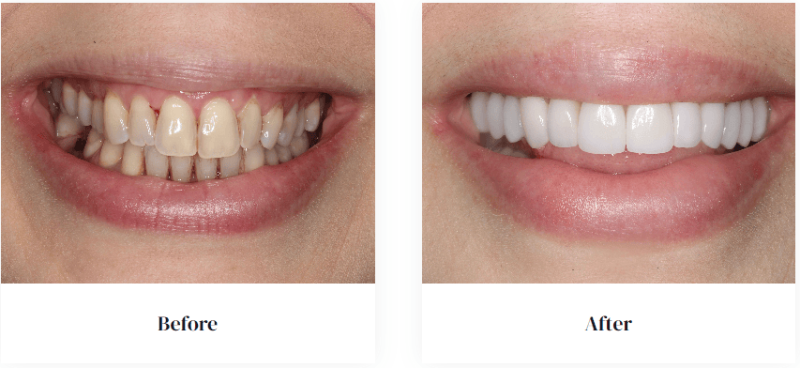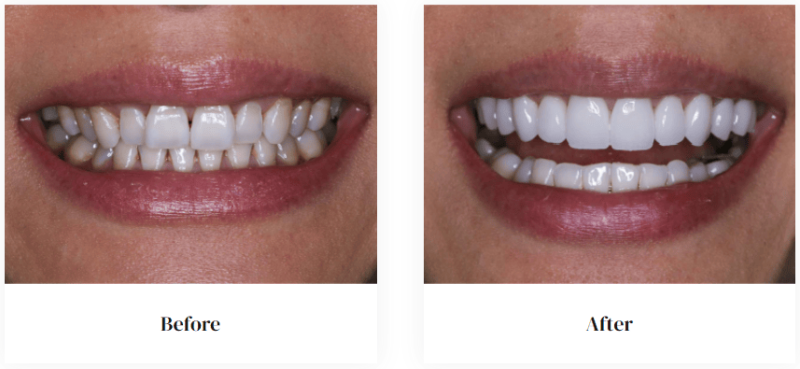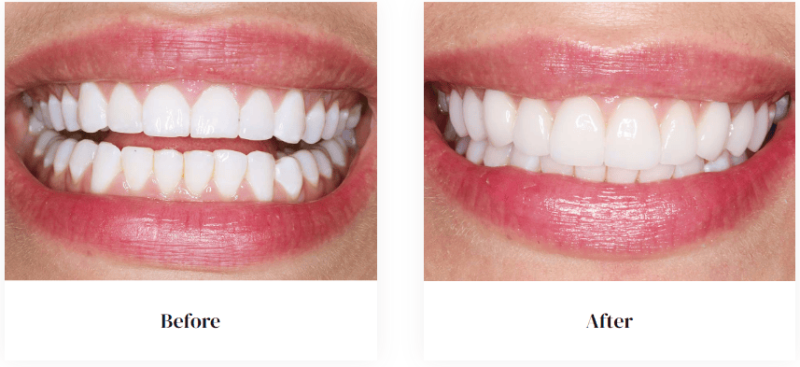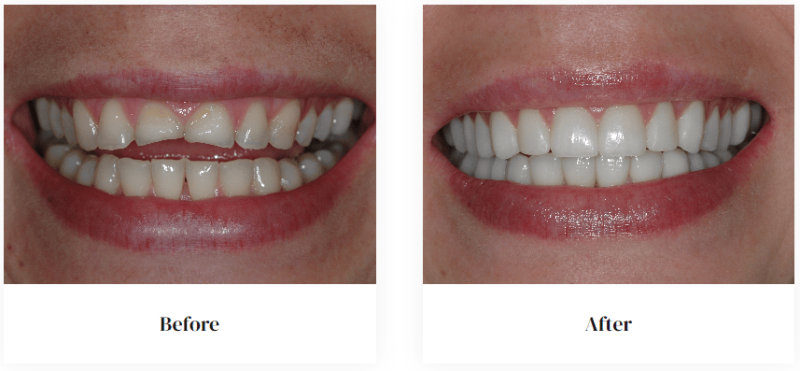

Gum contouring reshapes the gum line by removing a small amount of excess tissue, so the gums sit evenly around your teeth. You may also hear it called gum reshaping or gingival sculpting. Dr. Virdee uses a laser for procedures such as gingivectomy, which removes a small amount of gum tissue. A laser allows precise work in small areas, which suits the fine detail of a gum line.
The treatment changes the tissue around your teeth, not the teeth themselves. That makes it a refinement rather than a rebuild. Some patients choose it by itself, and others make it one step in a larger cosmetic plan.
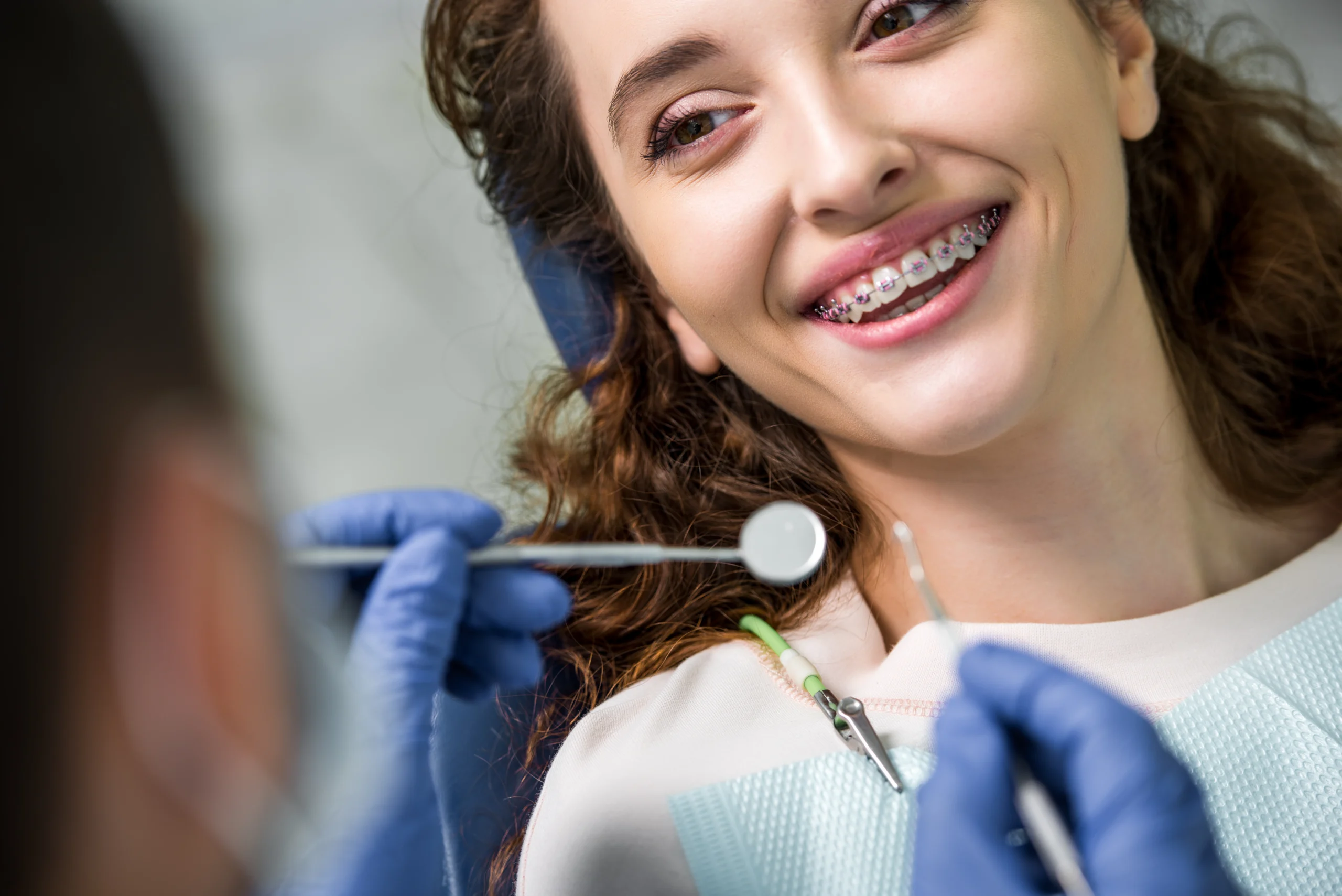
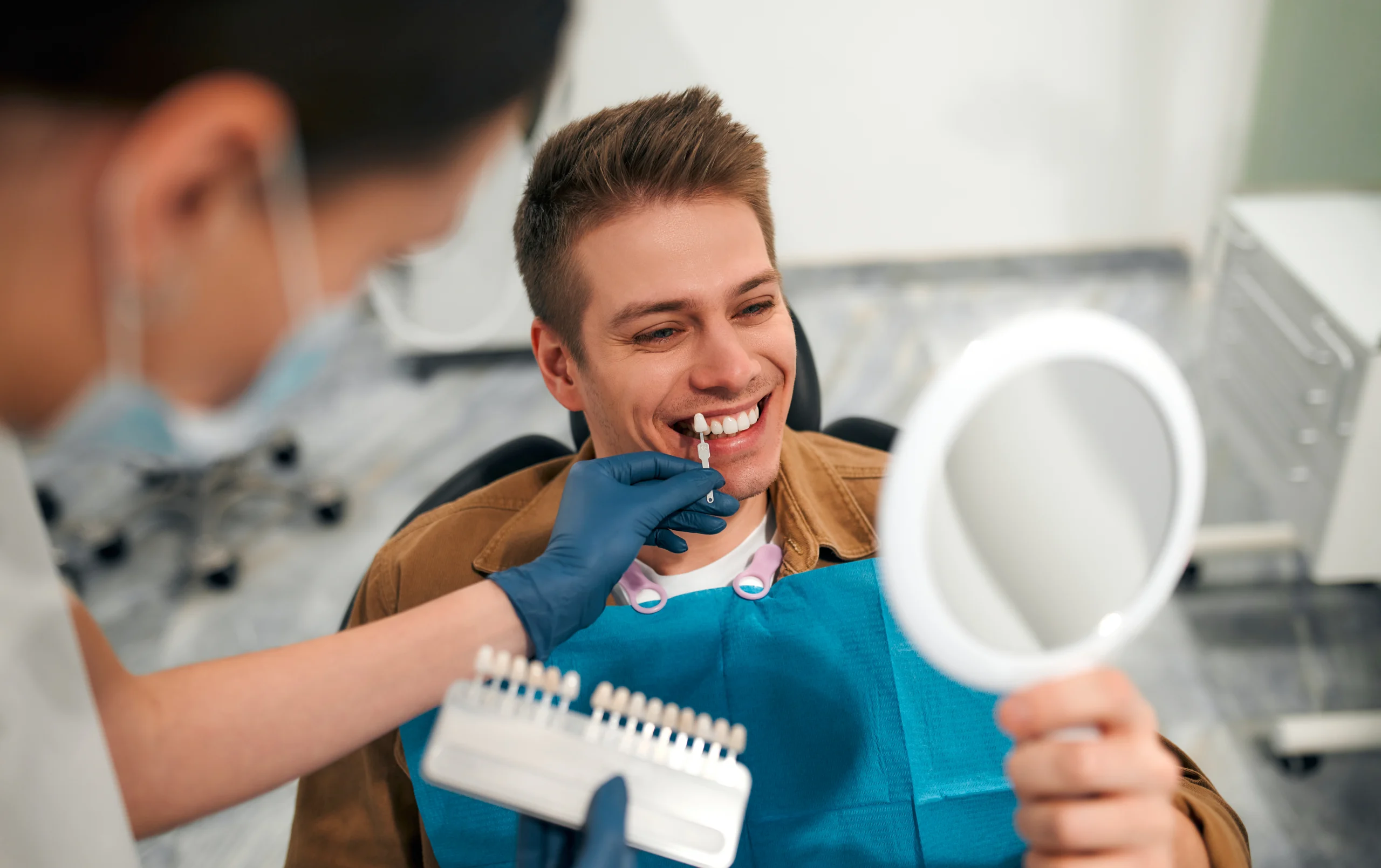
Several common concerns respond to reshaping, and each one changes how your smile looks in a different way. These conditions may include:
Because the gum line sets the outline for everything else, contouring often comes first when you are planning other work. Straightening, no-prep veneers, or a complete smile makeover look best when the gums frame them evenly, and even a simple teeth-whitening visit can show off a balanced gum line.
Gum health comes first. If your gums are swollen, bleed easily, or show signs of gum disease, we treat that before any reshaping. Scaling and root planing may be part of that plan, as reshaping inflamed tissue rarely lasts.
The cause of your gummy smile matters too. A systematic review of gummy smile treatments describes altered passive eruption, in which gum tissue fails to recede fully as teeth emerge, leaving too much gum covering the teeth. Sometimes the cause is tooth position or how far the upper lip lifts, and Dr. Virdee gives you an honest answer when another option, such as clear aligner treatment, would serve you better.

Let’s talk about your smile. Our team can help you plan your next step.
These straightforward answers cover the most common questions we get asked about gum reshaping.
Some tenderness while your gums heal is common and usually eases over the next few days. Before treatment, Dr. Virdee reviews comfort options and aftercare with you, including what to eat and how to keep the area clean while it heals. Following those instructions helps your gums settle smoothly.
The goal is lasting results because removed gum tissue doesn’t simply grow back the way it was. Gum disease and other changes in your mouth can still shift your gum line over time, so regular checkups help protect your results.
A common sign is a noticeable band of gum above your upper teeth when you smile fully, or teeth that look short even though they feel normal in length. Dr. Virdee can examine your gum line and identify the cause, so you can choose the right treatment for your situation.
If this is the first time you have visited our Scottsdale office, the mapping service below will assist you in finding our location.
Simply fill out the form below, and you will be presented with directions that include a map, the travel time, and distance. If you need any additional information, please contact us at Pure Smiles Phone Number (480) 585-1612.