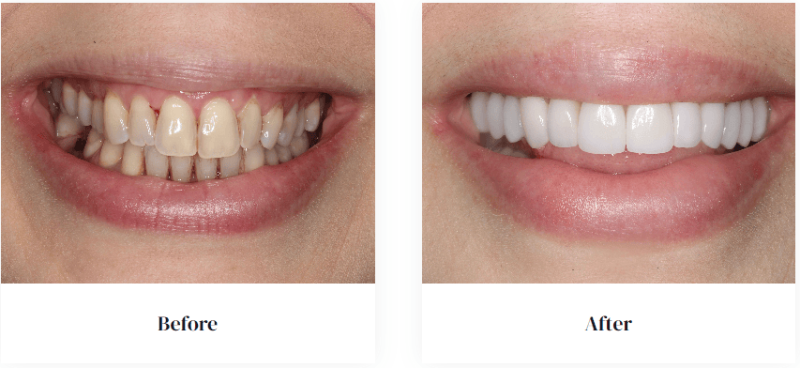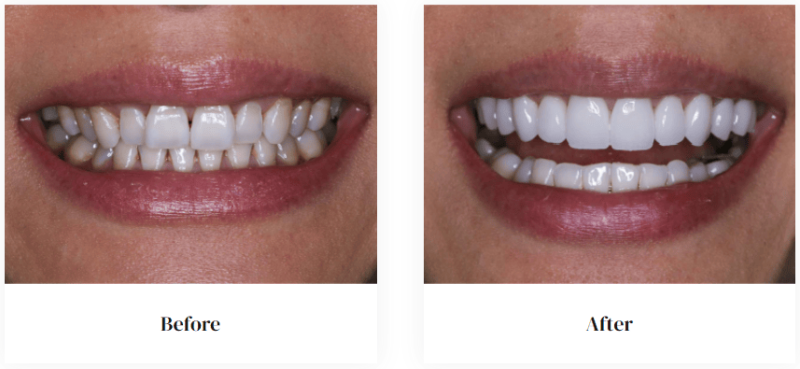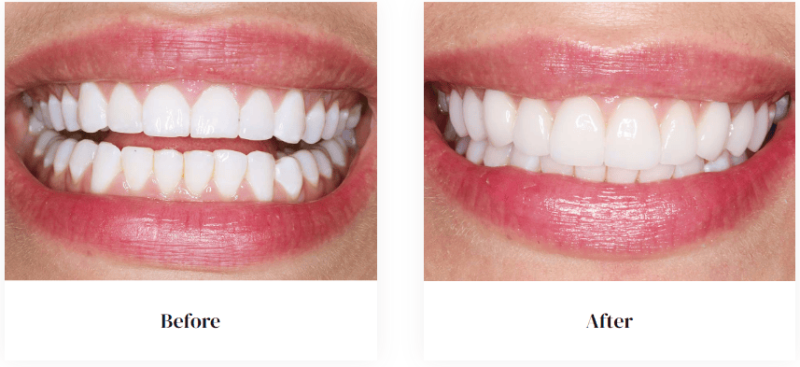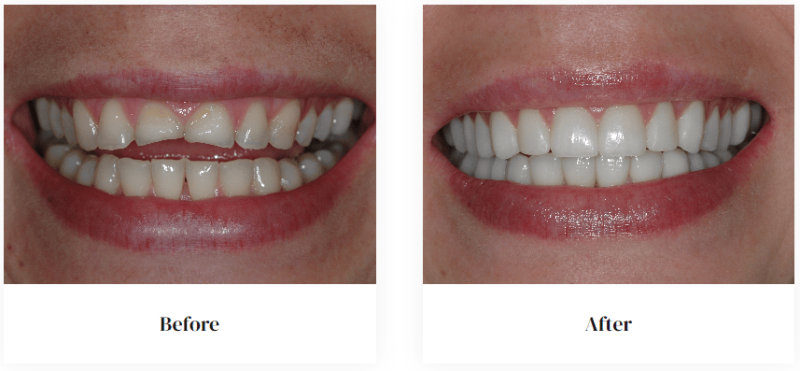

A chipped front tooth or a narrow gap can draw attention every time you speak, and the fix doesn’t have to be elaborate. Composite bonding uses a soft, tooth-colored resin that your dentist shapes directly onto the tooth, hardens, and polishes until it blends with the surrounding enamel. Bonding is one of the cosmetic treatments Dr. Gitika Virdee, DDS, provides to Scottsdale patients at Pure Smiles.
Bonding is a sculpting treatment, not a tooth replacement. The resin is layered onto your existing tooth, so no lab fabrication is needed and the shaping happens chairside. Dr. Virdee matches the resin to the surrounding enamel color, then contours it so the repair reads as part of the tooth rather than an addition.
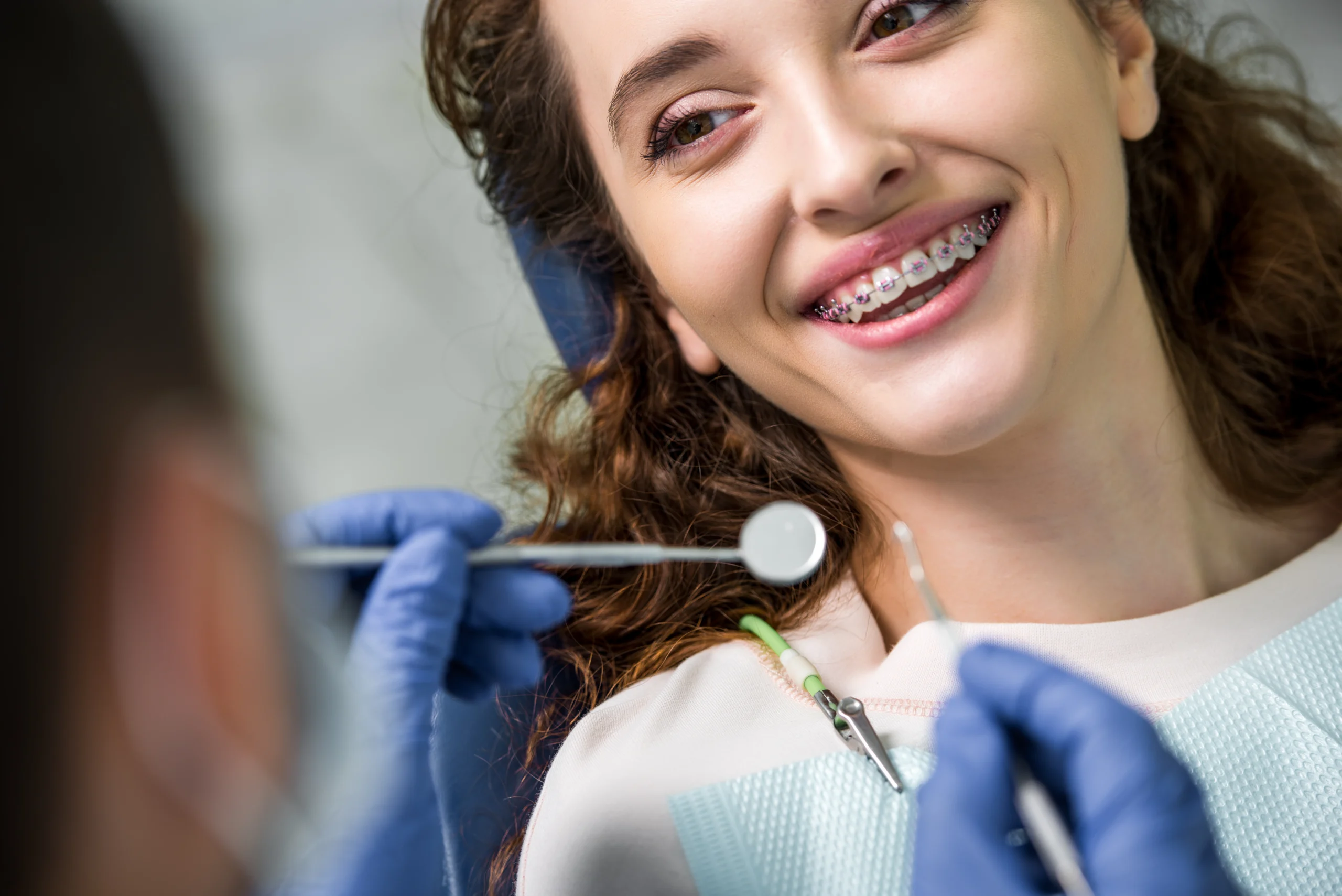
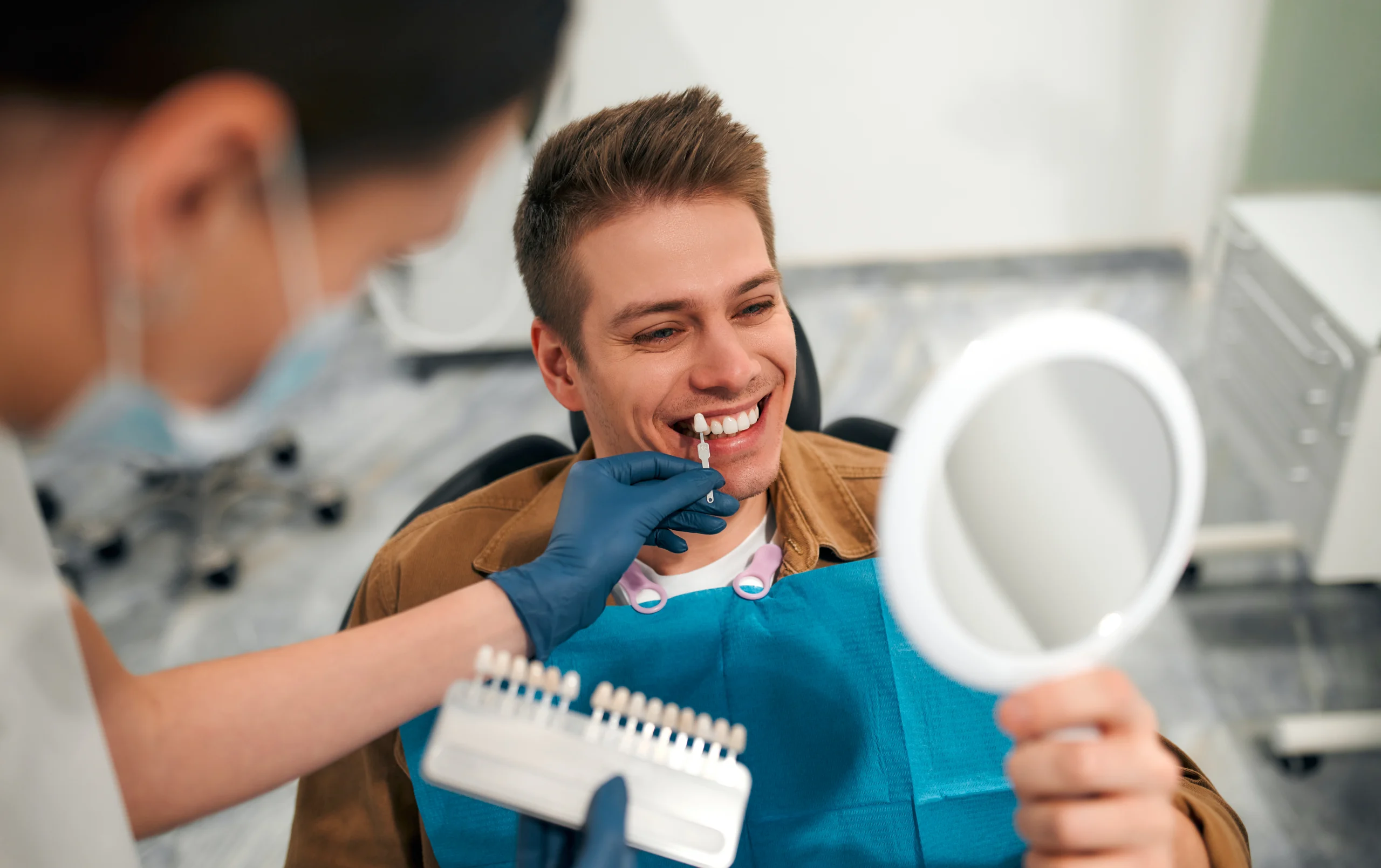
Bonding handles small cosmetic flaws rather than major structural problems, including:
Bonding can help when a tooth is sound but imperfect, and it changes the tooth’s shape without altering the surrounding teeth. When damage runs deeper, a crown or another restorative option offers better protection, and Dr. Virdee clearly explains which category your tooth falls into. Her training covers both restorative and cosmetic work, so that judgment comes from treating teeth in both ways.
Bonding and veneers solve similar problems in different ways. Resin is shaped by hand in the office, while no-prep veneers are custom shells made from porcelain, which resists staining better and typically lasts longer. Bonding often costs less, requires no lab work, and can be reshaped or added to later.
Bonding also works well as part of a bigger plan. Some patients finish teeth whitening first so the resin can be matched to a brighter shade, and others fold bonding into a smile makeover alongside straightening or gum work. Dr. Virdee favors conservative care, so bonding is often a sensible starting point before anything more involved.

Let’s talk about your smile. Our team can help you plan your next step.
Below are responses to the questions patients raise most often about bonded repairs.
Often it does not, because many bonding repairs involve little or no removal of tooth structure. Anesthesia may be appropriate if decay has to be cleaned out first or if the repair reaches a sensitive area, and Dr. Virdee discusses that with you beforehand.
Whitening gel lightens natural enamel and leaves resin at its original shade, so bonded areas can look darker after you whiten. If brightening your smile is a goal, mention it early so your shade and treatment order can be planned together.
Brush and floss as you normally would, and keep up with routine exams and cleanings so our team can inspect the edges of each repair. Avoid using bonded teeth as tools, and let us know right away if a bonded area feels rough or catches your tongue.
If this is the first time you have visited our Scottsdale office, the mapping service below will assist you in finding our location.
Simply fill out the form below, and you will be presented with directions that include a map, the travel time, and distance. If you need any additional information, please contact us at Pure Smiles Phone Number (480) 585-1612.